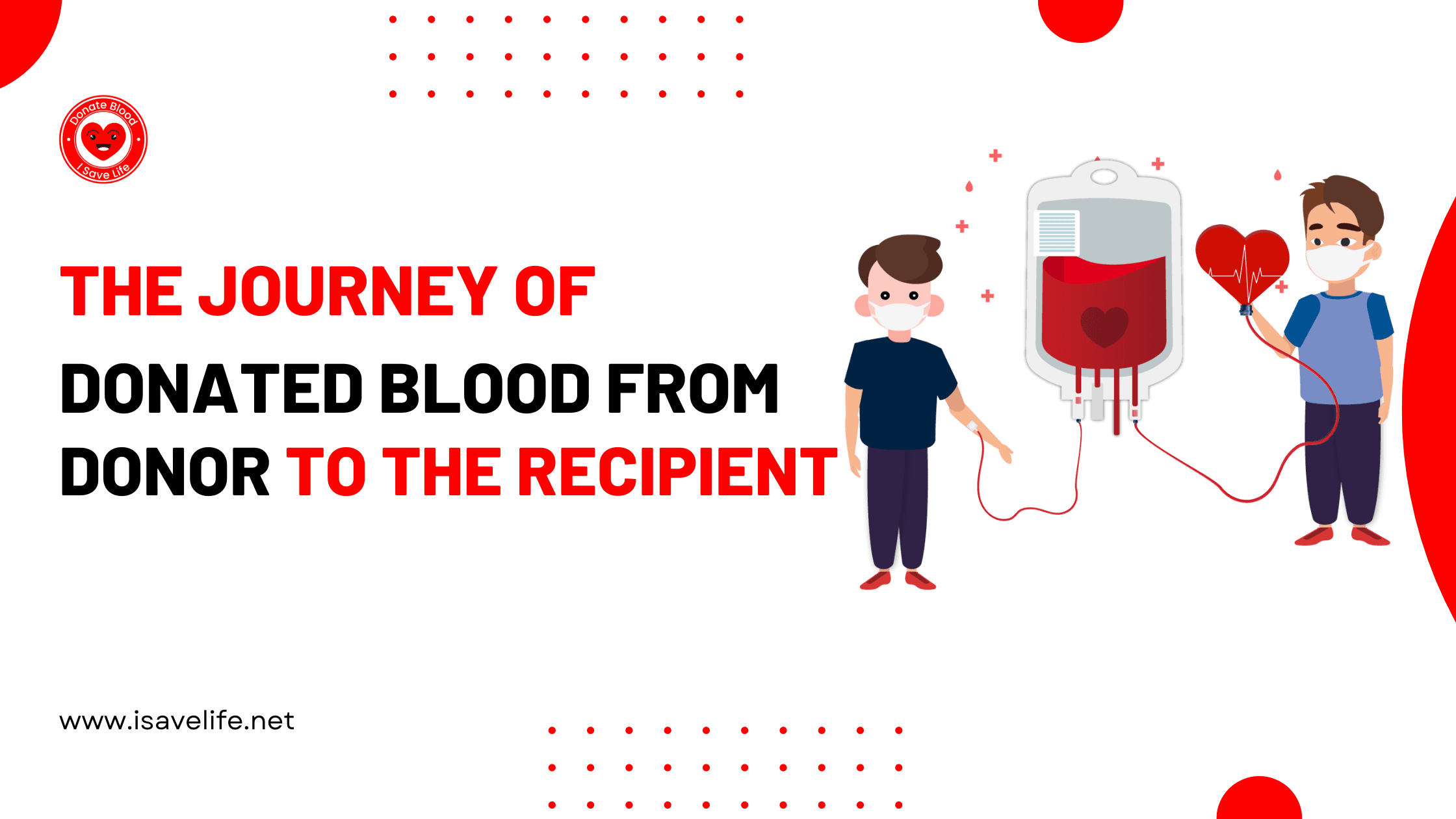
The Journey of Donated Blood: From Donor to the Recipient
28-Jul-2023
The Journey of Donated Blood: From Donor to the Recipient
Blood donation is a gift of life that can be given in just minutes. When you donate blood, you are giving a precious gift that can help patients of all ages and backgrounds. But what happens to your blood after you donate it?
The journey of donated blood begins at the donation center. After you complete a health history questionnaire and meet the eligibility requirements, a phlebotomist will draw your blood. The blood is then collected in a bag and sent to a processing lab.
In the lab, the blood is separated into its component parts: red blood cells, plasma, and platelets. Each component is tested for safety and quality. Red blood cells are stored for up to 42 days, plasma for up to one year, and platelets for up to five days.
Once the blood components are tested and approved, they are released to hospitals and blood banks. Hospitals use blood to treat patients who are undergoing surgery, have lost a lot of blood, or have a blood disorder. Blood banks store blood and distribute it to hospitals as needed.
The journey of donated blood can take as little as a few days or as long as a year. But no matter how long it takes, your donation can help save a life.
Here is a more detailed look at the journey of donated blood:
1. Donation: The donation process typically takes about 15 minutes. You will be asked to complete a health history questionnaire and answer some questions about your lifestyle. You will then be asked to lie down on a bed or chair and a phlebotomist will draw your blood.
2. Processing: The blood is then taken to a processing lab where it is separated into its component parts. The red blood cells, plasma, and platelets are tested for safety and quality.
3. Storage: The blood components are then stored in a blood bank or hospital. Red blood cells can be stored for up to 42 days, plasma for up to one year, and platelets for up to five days.
4. Distribution: The blood components are then distributed to hospitals and blood banks as needed. Hospitals use blood to treat patients who are undergoing surgery, have lost a lot of blood, or have a blood disorder. Blood banks store blood and distribute it to hospitals as needed.
If you are interested in donating blood, you can find a blood drive near you by visiting the website of the I Save Life or the website of your local blood bank. You can also donate blood at many hospitals.
To donate blood, you must meet specific eligibility requirements. You must be at least 17 years old (16 with parental consent), weigh at least 50 kg, and be in good health. You will also be asked to answer some questions about your medical history.
Now that you know what happens to your blood, don't wait any longer! Download our Android App I Save Life or IOS App I Save Life Today...