Before you donate
Preparation is key to a smooth experience.
Check eligibility
Before donating blood, ensure that you meet the eligibility criteria set by the blood donation center. These criteria usually include factors such as age, weight, and general health.
Stay Hydrated
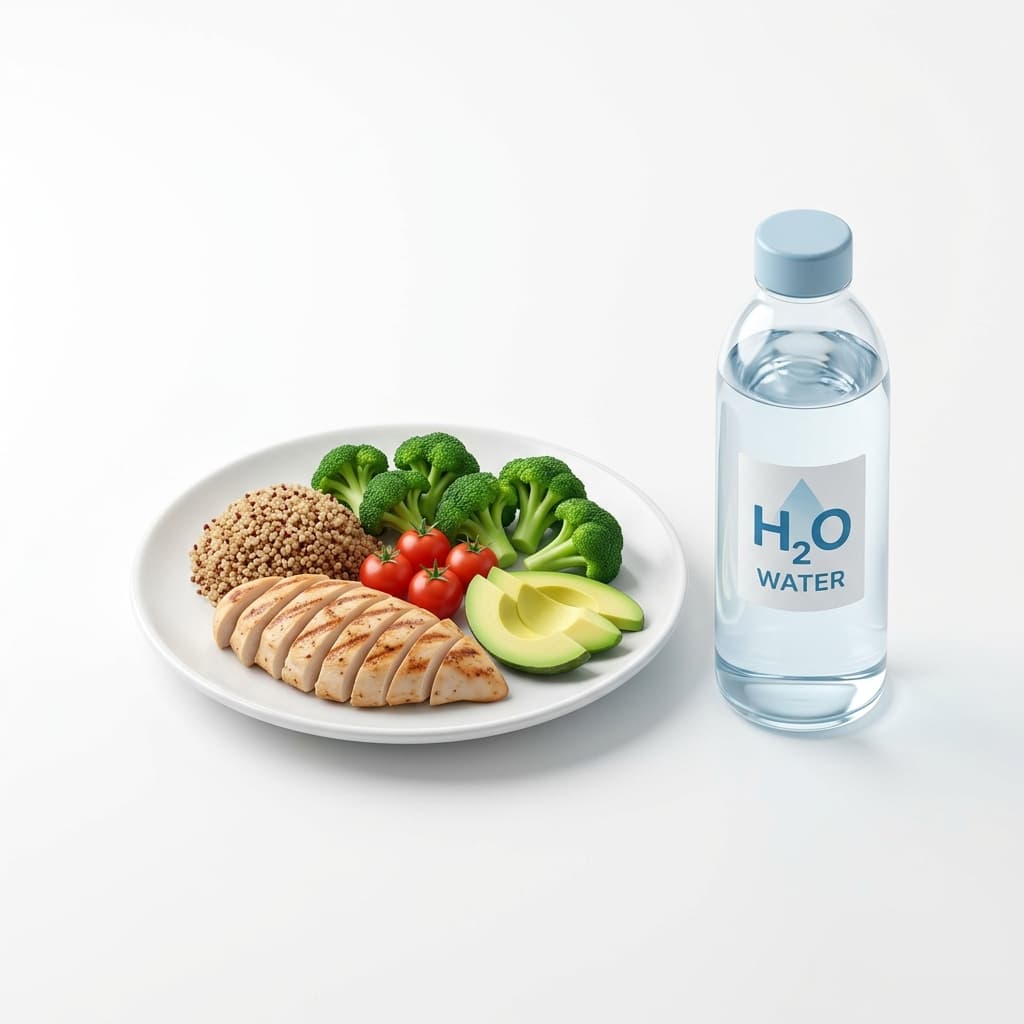
Stay well-hydrated by consuming ample fluids, particularly water, in the days prior to your donation. Staying hydrated helps ensure that your blood flows smoothly.
Eat a nutritious meal
Prioritize consuming a balanced and nutritious meal before your donation. Include foods rich in iron, such as leafy greens, lean meats, and legumes.
Get plenty of rest
Adequate rest and sleep before your donation help you feel refreshed and ensure a smoother donation process.
At the donor center
What happens when you arrive.
Registration
Upon arrival at the donor center, you will be required to complete a registration process. This includes providing identification and filling out a donor questionnaire.
Health assessment
A healthcare professional will review your medical history and perform a mini-physical, checking your blood pressure, pulse, and hemoglobin levels.
Information and consent
You will receive information about the donation process, including any potential risks or side effects. You'll be asked to provide consent to proceed.
Donation process
The actual donation typically takes around 10-15 minutes. A sterile needle will be inserted into a vein in your arm, and blood will be collected into a bag.
After you donate
Ensuring a quick and healthy recovery.
Rest and refresh
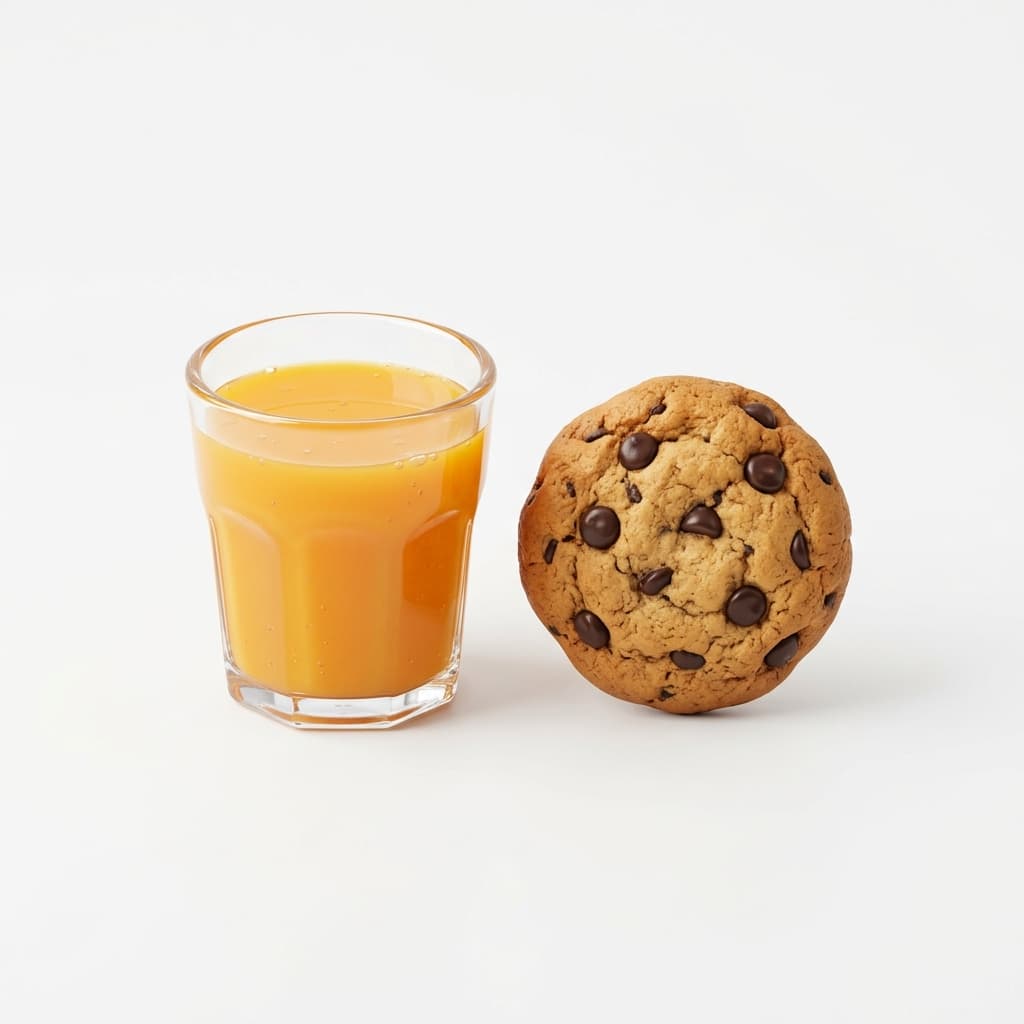
After your donation, take a few minutes to relax and enjoy some refreshments provided by the donor center. This helps replenish your energy.
Follow instructions
Follow specific instructions provided by the center, such as avoiding heavy lifting or strenuous activities for a few hours.
Monitor well-being
Pay attention to how you feel. While rare, some individuals may experience minor side effects such as dizziness. Inform staff if you feel unusual.
Stay hydrated
Drink plenty of fluids, especially water, in the hours following your donation. Maintain a balanced diet to support your body's recovery.